Mastering Pecan Pie: The Secret to a Perfectly Set, Gooey Center
There's something inherently comforting and celebratory about a classic
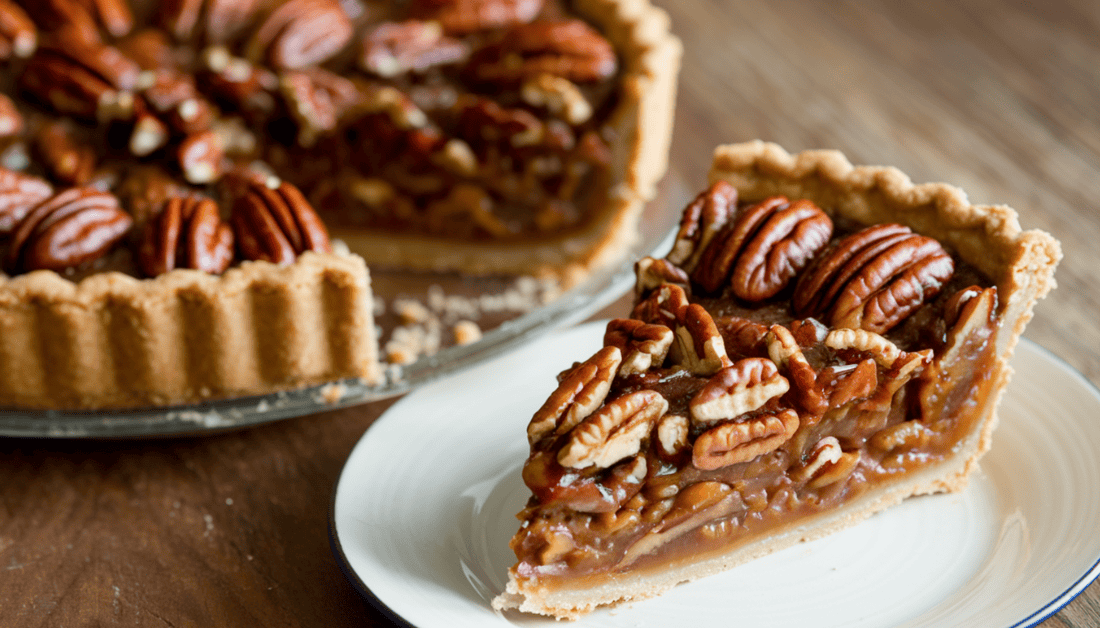
pecan pie. With its glistening, deeply caramelized filling, crunchy toasted pecans, and tender crust, it's a dessert that evokes warmth, family gatherings, and pure indulgence. Whether gracing the Thanksgiving table or simply satisfying a sweet craving on a quiet Sunday, its appeal is undeniable. However, many home bakers face a common challenge: achieving that ideal balance – a filling that is perfectly set, yet luxuriously gooey, never runny or overly firm. Fear not, for mastering the art of the perfect
pecan pie center is entirely within your reach, combining a dash of science with proven baking techniques.
Since its popularization in the early 20th century, particularly with the widespread availability of corn syrup,
pecan pie has evolved, with recipes being refined over decades. Iconic culinary institutions have perfected their versions, understanding that the magic lies in a few critical steps. By understanding these nuances, you can transform your homemade
pecan pie from good to absolutely legendary.
The Science Behind the Gooey, Yet Set, Pecan Pie Center
The heart of a great
pecan pie lies in its filling, a rich custard-like mixture that should strike a harmonious balance between being firm enough to slice cleanly and soft enough to melt in your mouth. Many factors contribute to this delicate equilibrium, but two stand out as paramount: the careful inclusion of a thickening agent and precise baking to the correct doneness.
The Unsung Hero: Flour as a Thickener
One of the most valuable secrets to preventing a runny
pecan pie is the strategic addition of a small amount of all-purpose flour to your filling. While not all traditional recipes include it, seasoned bakers swear by it. A mere tablespoon of flour acts as a subtle binder, working in concert with the eggs to help the sugars and fats coagulate properly as the pie bakes. It provides just enough structural integrity to the custard without altering the pie's signature flavor or texture. Think of it as an insurance policy against a wobbly, unset middle. Unlike heavier starches, flour integrates seamlessly, ensuring your pie maintains its characteristic gooeyness while holding its shape beautifully when sliced.
Baking to Perfection: The Jiggle Test and Beyond
Even with the right ingredients, under-baking is the leading cause of a runny
pecan pie. Achieving the perfect set requires patience and a keen eye for visual cues. While a general baking time of 50 to 60 minutes at a moderate temperature (around 350°F or 175°C) is a good guideline, ovens vary, and relying solely on the clock can be misleading.
The ultimate test for doneness is the "jiggle test." Gently shake the pie dish: the edges of the pie should be fully set and firm, with no movement. The very center, however, should still have a slight, *barely perceptible* jiggle, akin to a firm gelatin or a perfectly cooked crème brûlée. If it's still sloshing like liquid, it needs more time. The pecans on top should also appear beautifully toasted and fragrant. This slight jiggle in the center indicates that the proteins in the eggs and the sugars have coagulated sufficiently, but not so much that the filling becomes dry or crumbly. Remember that
pecan pie, like many custards, continues to set as it cools, a phenomenon known as "carryover cooking." Which leads us to the next crucial step...
The Art of Cooling
Perhaps the most challenging part for eager bakers is allowing the
pecan pie to cool completely before slicing. This step is non-negotiable for a perfectly set center. Resist the urge to cut into it while it's still warm, no matter how tempting the aroma. As the pie cools, the internal structure continues to firm up, resulting in that delightful gooey-yet-stable texture. Ideally, let your pie cool at room temperature for at least 2-4 hours, or even overnight. This patience will be richly rewarded with clean slices and an impeccable texture.
Key Ingredients for Unforgettable Flavor and Texture
While the technique is crucial, the quality and type of ingredients play a significant role in both the flavor and final set of your
pecan pie.
*
Pecans: Opt for fresh, high-quality pecans. You can use whole pecans for a dramatic presentation and satisfying crunch, or lightly chop them for a more integrated texture, as some bakers prefer. If you're a fan of a very nutty pie, consider increasing the quantity to 2 cups. Lightly toasting them before adding to the filling can deepen their flavor even further.
*
Sugars and Syrups: Many recipes call for a combination of sugars. Light corn syrup is favored by many for its milder flavor, allowing the pecan and caramel notes to shine without being overly sweet, compared to dark corn syrup which has a more robust, molasses-like taste. Pair this with light brown sugar, which contributes a wonderful depth of flavor and moisture that granulated sugar alone cannot provide.
*
Eggs and Butter: These are the backbone of the custard. Eggs provide the essential binding and structure, while good quality unsalted butter delivers richness and a velvety mouthfeel.
*
Flavorings: A teaspoon of pure vanilla extract is classic, adding warmth and complexity. For an extra layer of sophistication or a "boozy kick," consider adding a teaspoon of brandy extract or a couple of tablespoons of bourbon, echoing traditional Southern recipes. Explore more ways to personalize your pie in our article:
Pecan Pie Perfected: Explore Flavors, Toppings & Crust Options.
The Baking Process: From Prep to Perfection
From choosing your crust to the final resting period, each stage of making a
pecan pie contributes to its ultimate success.
Crust Options: Convenience Meets Craft
One of the brilliant updates in modern
pecan pie making is the availability and quality of premade pie crusts. Using a frozen or refrigerated deep-dish pie crust can significantly simplify the preparation, making a delicious homemade dessert accessible even on busy days. Just pour in the filling, bake, and enjoy! For those who love the art of baking from scratch, making your own pie crust offers a rustic charm and the ability to customize flavor and texture. Whichever you choose, ensure the crust is properly fitted and crimped to hold the rich filling. For a step-by-step guide to easy
pecan pie, including crust tips, check out:
Easy Pecan Pie: A Classic Recipe for Holidays & Sweet Cravings.
Mixing the Filling and Oven Placement
When combining your filling ingredients, mix gently but thoroughly. Over-mixing can incorporate too much air, which can lead to a less dense, slightly porous filling. Once poured into the crust, arrange your pecans evenly over the top if you prefer them mostly visible. Place the pie on the lower-middle rack of a preheated oven to ensure the bottom crust bakes through and the filling sets evenly without over-browning the top too quickly. If you notice the crust edges browning too fast, you can lightly tent them with aluminum foil.
Elevating Your Pecan Pie: Variations and Serving Suggestions
Once you’ve mastered the perfectly set, gooey center, the world of
pecan pie variations and toppings opens up.
*
Texture Changes: Beyond whole or chopped, experiment with how much crunch you desire. Using 2 cups of pecans will make a very nutty pie with substantial texture.
*
Flavor Boosts: Stir in ½ cup of semi-sweet chocolate chips with the pecans for a decadent chocolate
pecan pie. The subtle bitterness of the chocolate beautifully complements the sweet filling. For an adult twist, bourbon or brandy add a sophisticated warmth.
*
Toppings Galore: While a slice of perfectly baked
pecan pie is delicious on its own, it truly shines with accompaniments. A dollop of lightly sweetened, fresh whipped cream offers a creamy contrast to the rich filling. A generous scoop of vanilla ice cream is a classic pairing that's hard to beat, but don't shy away from trying other flavors like butter pecan, maple, or salted caramel ice cream for an extra layer of indulgence. A sprinkle of flaky sea salt can also beautifully cut through the sweetness, enhancing the overall flavor profile.
Conclusion
Achieving that elusive, perfectly set, gooey center in your homemade
pecan pie is a culinary triumph that will earn you accolades and satisfied smiles. By understanding the critical role of a touch of flour, mastering the "jiggle test" for doneness, and practicing patience with thorough cooling, you can consistently create a showstopping dessert. So, preheat your oven, gather your ingredients, and embark on your journey to mastering this beloved classic. The reward? A slice of pure bliss, rich in caramel notes and buttery pecans, ready to be savored and shared.